
Mistakes To Avoid When Designing a Luxury In-Ground Pool
Reading Time: 5 minutes
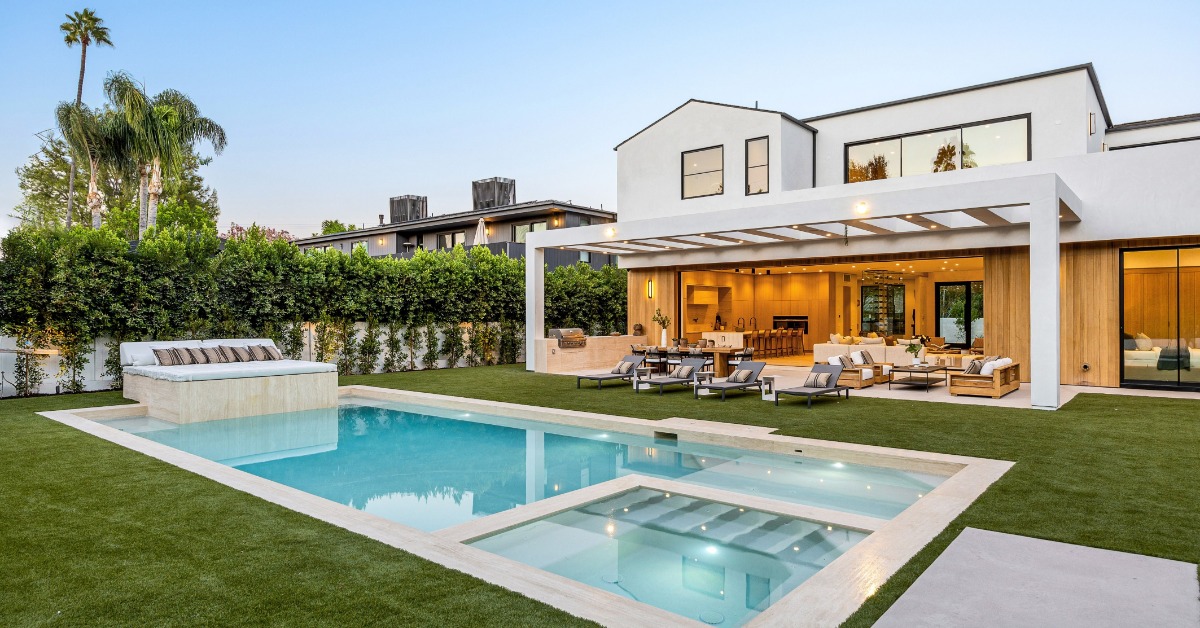
Designing a luxury in-ground pool requires more than choosing an attractive shape or selecting premium finishes. Every decision affects how the pool functions, complements your property, and supports your outdoor lifestyle. Without careful planning, you may encounter design limitations that compromise the investment or require expensive modifications later.
Understanding the mistakes to avoid when designing a luxury in-ground pool allows you to make informed decisions before construction begins. From evaluating your backyard to selecting the right equipment, thoughtful preparation creates a swimming environment that balances beauty with everyday practicality.
Ignoring Your Backyard’s Natural Characteristics
Every property presents unique conditions that influence pool construction. Overlooking existing slopes, soil conditions, or drainage patterns can create complications during installation and affect the finished design. A thorough site evaluation allows pool designers to identify potential challenges before developing construction plans.
Consider how your home’s architecture interacts with the surrounding landscape. A pool that looks impressive in a design portfolio might not complement your property’s proportions or existing outdoor features. Choosing a layout that respects your backyard’s natural characteristics creates a more cohesive appearance.
Sun exposure also deserves attention because nearby trees and structures create shaded areas that influence water temperature. Evaluating these conditions allows you to position the pool according to your preferred swimming experience.
Choosing a Pool Size That Doesn’t Match Your Lifestyle
Bigger doesn’t automatically mean better when designing a custom swimming pool. An oversized pool may consume valuable backyard space, leaving limited room for outdoor dining or comfortable seating. Conversely, a pool that feels too small can restrict recreational activities and make entertaining difficult.
Think carefully about how your household intends to use the water. Families who enjoy swimming laps have different spatial requirements than homeowners who prefer relaxing in shallow areas. Establishing your priorities early allows designers to recommend dimensions that support your daily activities.
Depth deserves equal consideration because it affects accessibility and swimming comfort. Excessively deep sections may reduce usable space for casual recreation, while consistently shallow designs might not accommodate certain activities.
Overlooking How People Move Around the Pool
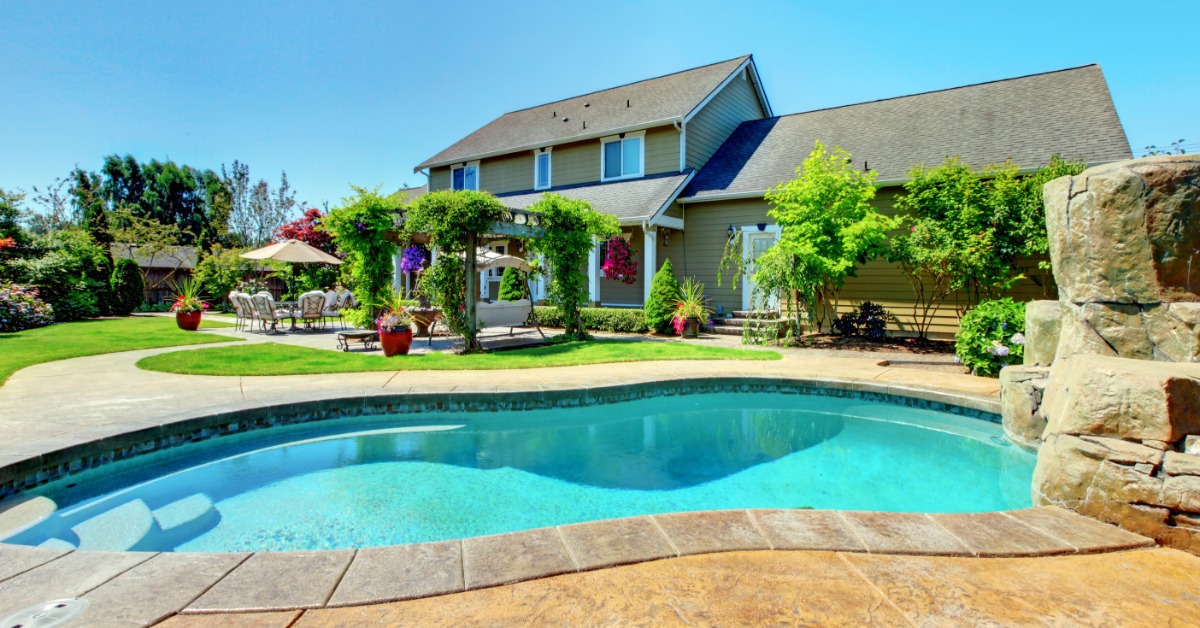
An attractive swimming pool should integrate naturally into your outdoor living environment. Poorly positioned entrances or narrow deck areas interrupt movement between the house and surrounding amenities. These limitations become especially noticeable when multiple people use the backyard simultaneously.
Consider the routes people will follow when entering and exiting the water. Pool steps should offer convenient access from primary gathering areas without interfering with swimming activities. Nearby seating should allow guests to socialize comfortably without obstructing walkways.
Adequate decking provides space for lounge furniture while maintaining clear circulation paths. When evaluating high-quality swimming pools, consider how the surrounding layout contributes to usability rather than focusing exclusively on the water itself.
Selecting Materials Based Only on Appearance
Premium finishes contribute significantly to a luxury pool’s visual appeal, but appearance shouldn’t determine every material selection. Certain surfaces require different maintenance routines, while others respond differently to chemical exposure or environmental conditions. Choosing finishes without understanding their performance can create unexpected upkeep requirements.
Pool interior materials influence texture and the water’s overall appearance. Tile, aggregate, and plaster finishes offer distinct characteristics that you should evaluate before making a commitment. Discussing durability expectations with experienced pool professionals provides valuable perspective on suitable options.
Surrounding deck materials also require careful evaluation, particularly when summer temperatures can make some surfaces uncomfortable underfoot. Slip resistance and heat retention deserve attention alongside color preferences.
Adding Features Without Considering Their Practical Value
Luxury swimming pools offer numerous customization opportunities, making it tempting to incorporate every appealing feature. However, unnecessary additions increase construction costs and complicate maintenance without improving your swimming experience. Each feature should serve a clear purpose within the overall design.
Before finalizing your selections, consider how frequently you expect to use different amenities. A tanning ledge provides a shallow area for lounging, while an integrated spa creates dedicated space for warm-water relaxation. Waterfalls introduce movement and soothing background sounds, whereas swim-up seating creates convenient gathering spaces within the pool.
Consider how each addition affects the available swimming area and your overall budget. Carefully selected features create a more functional environment than an overcrowded design.
Underestimating the Importance of Pool Equipment
Mechanical systems rarely receive the same attention as decorative elements during initial design discussions. Nevertheless, equipment selection directly influences water circulation, energy consumption, and ongoing maintenance demands. Inadequate planning can leave you managing unnecessary operating expenses.
Pool pumps and filtration systems should match the pool’s hydraulic requirements. Variable-speed pumps offer adjustable circulation settings that reduce energy consumption compared with traditional single-speed models.
Automation systems deserve consideration during the initial design phase. Modern controllers allow you to manage circulation schedules, lighting, and compatible features through centralized controls. Planning these capabilities early simplifies equipment integration and reduces the need for future modifications.
Failing To Plan for Safety From the Beginning
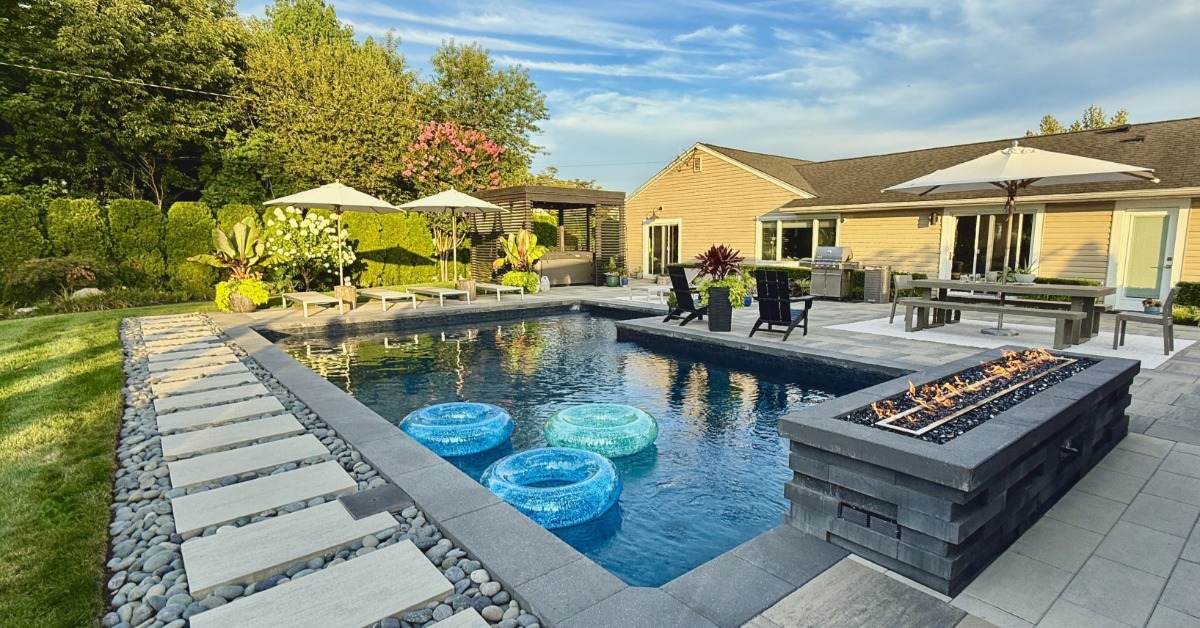
Safety considerations should influence the pool’s initial design rather than become an afterthought. Waiting until construction nears completion to evaluate protective measures can limit available options or create additional expenses. You should discuss applicable requirements before approving final plans.
Local regulations may establish specific standards for barriers, gates, and other protective features. Requirements vary by municipality, making professional guidance particularly valuable during the permitting process.
Visibility matters as well, especially for households with children. Strategic placement of gathering areas can improve sightlines across the swimming environment. Although no design feature replaces active supervision, thoughtful planning supports safer everyday use.
Neglecting Long-Term Maintenance Requirements
A beautiful pool can become frustrating when its design makes routine upkeep difficult. Complex shapes and poorly accessible equipment areas increase the time required for cleaning or repairs. Evaluating maintenance needs during design protects the convenience of pool ownership.
Consider how technicians will access filtration equipment and plumbing components when service becomes necessary. Sufficient working space around mechanical systems allows professionals to perform inspections without disturbing nearby landscaping.
Landscaping choices influence maintenance demands because trees that shed substantial leaves near the water increase debris accumulation. Coordinating planting decisions with pool placement reduces preventable cleaning challenges.
Setting an Unrealistic Budget
Budget planning requires a broader perspective than the initial construction estimate. Homeowners sometimes concentrate on the pool structure while overlooking expenses associated with decking, drainage improvements, or site preparation. These omissions can force unwanted design changes after planning progresses.
Request a detailed explanation of proposed costs before committing to construction. Understanding which elements the estimate includes makes it easier to compare options and prioritize upgrades. Establishing a contingency allowance provides flexibility if contractors encounter unforeseen site conditions.
Consider ongoing operating expenses alongside installation costs. Heating preferences and equipment efficiency influence the financial commitment beyond construction.
Choosing a Builder Without Evaluating Their Expertise
Even an exceptional pool design requires skilled execution to achieve its intended results. Selecting a contractor primarily because of a low estimate can introduce risks involving construction quality or communication. Experience with custom projects deserves careful consideration.
Review completed projects that reflect your preferred design style and level of customization. Ask prospective builders about their planning process, project timelines, and communication practices to understand what to expect.
Avoiding mistakes when designing a luxury in-ground pool ultimately requires collaboration with professionals who understand technical requirements and aesthetic goals. At Claffey Pools, we design and build custom swimming pools throughout the Dallas-Fort Worth area, tailoring each project to the homeowner’s property and lifestyle. Contact our team today to discuss your vision and begin planning a luxury pool that complements your outdoor space.